Your Business Is Profitable—So Why Is There Never Enough Cash? 💰📉
 |
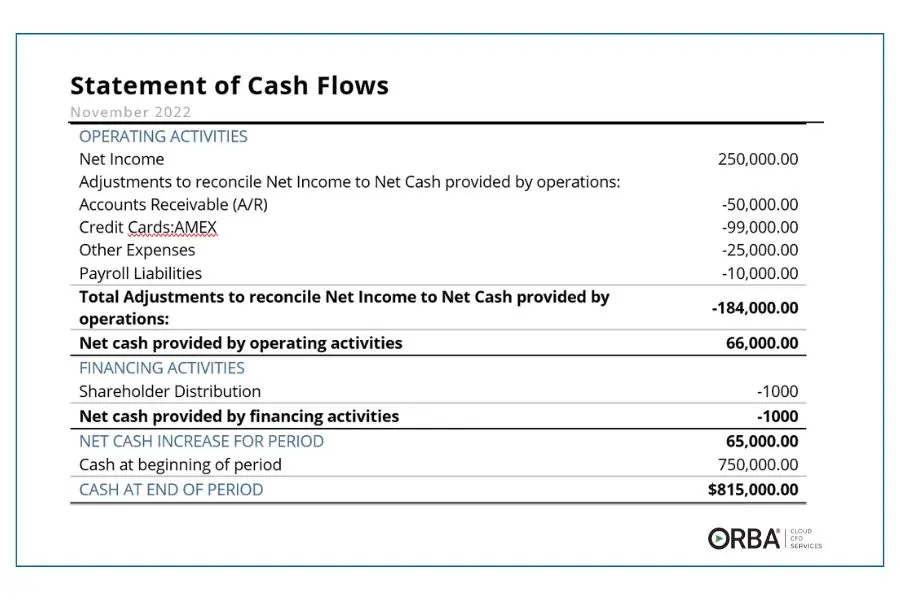
You check your Profit & Loss statement. Revenue is up. ✅ The business is profitable. ✅ Sales are moving. ✅ So why does your bank account still make you nervous? 😬 Why does payroll sometimes feel too close for comfort? Why are you constantly asking yourself: “If we’re making money… where is all the cash?” Here’s the answer: Profit and cash are NOT the same thing. 🚨A business can show a healthy profit on paper and still be painfully short on cash in the bank. That happens because profit is an accounting result. Cash is what actually moves through your business. And cash can get stuck in places that don’t immediately show up as a “problem” on your P&L. Here are 5 places your cash may be hiding 👇1. Customers haven’t paid you yet 💸You made the sale. You recorded the revenue. You may even show a profit. But if your customer takes 30, 45, 60—or 90 days—to pay you, that profit hasn’t turned into usable cash yet. Meanwhile, your bills keep coming. Payroll doesn’t wait. Rent doesn’t wait. Vendors don’t wait. Your receivables may be profitable on paper—but they can’t pay your bills until the money hits the bank. 2. Too much cash is sitting in inventory 📦Every product sitting on a shelf represents cash you already spent. If inventory moves slowly, cash becomes trapped. And the longer it sits, the more dangerous that becomes. You may have a warehouse full of “assets” while your checking account is running on fumes. That’s not just an inventory problem. That’s a cash flow problem. 3. Expenses quietly grew with revenue 📈Sales increased—great. But did payroll increase too? Marketing? Subscriptions? Insurance? Software? Outside contractors? Overhead has a sneaky habit of growing right alongside revenue. Sometimes revenue climbs while profit margins actually shrink. And sometimes profit improves while cash still disappears because expenses are being paid faster than customers are paying you. 4. Debt payments are consuming your cash 🏦Loan principal payments can drain cash without reducing the profit shown on your P&L. That surprises many business owners. A business may technically be profitable while significant cash is going toward:
The business made money. But the cash went somewhere else. 5. Growth itself may be consuming cash 🚀This one catches successful owners by surprise. Growth often requires cash before it produces cash. You hire people. Buy inventory. Increase marketing. Purchase equipment. Open another location. Add vehicles. Take on bigger projects. All before the new revenue fully converts into money in the bank. That means something that sounds crazy can actually be true: Your business can grow itself into a cash crisis. 😳That’s why I tell business owners: More sales alone will not fix a cash flow problem. Sometimes more sales make the problem worse. The real question isn’t simply: “How much profit did we make?” The better question is: “What happened to the cash?” 🔍That question changes everything. Because once you begin looking at the operational drivers behind the numbers, you can start identifying where cash is getting delayed, trapped, drained, or wasted. You can examine: 📌 How quickly customers pay you📌 How long inventory sits📌 How often customers buy📌 Your average sale📌 Your conversion rate📌 Payroll efficiency📌 Marketing effectiveness📌 Overhead📌 Vendor payment terms📌 Debt📌 Owner withdrawals📌 And more These are the real-world drivers that ultimately determine whether profit becomes cash in the bank. 💵 A simple challenge for this week 📝Open your business bank account and compare it to your most recent P&L. Then ask yourself: “If the business is profitable, where is the cash going?” Don’t accept “expenses” as the answer. Dig deeper. Is it sitting in receivables? Inventory? Debt repayment? Payroll? Overhead? Growth? Owner distributions? Once you identify where the cash is going, you can begin deciding what to change. And often, small improvements in the right areas can create a surprisingly large improvement in cash flow. One final thought 💡A profitable business is good. A profitable business that consistently turns those profits into cash in the bank is much stronger. That’s the goal. Increase profit. Strengthen cash in the bank. — Moses EstevezStrategic Cash Flow Advisor |


Comments