Profit Is an Opinion. Cash in the Bank Is a Fact. 💰

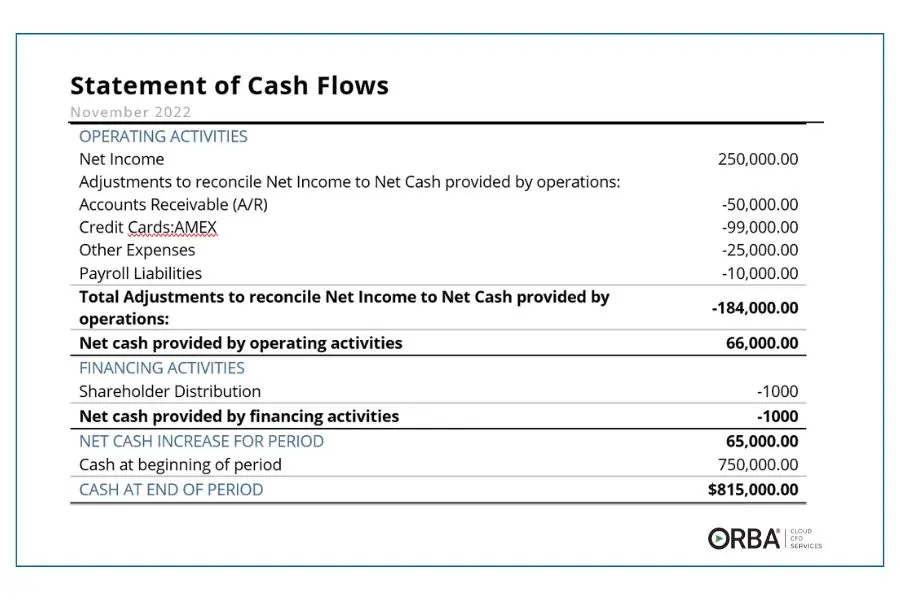
A business owner can look at a Profit & Loss statement and feel pretty good. Revenue is growing. 📈Gross profit looks healthy. ✅Net income is positive. ✅ Then they open the bank account. And suddenly, the story doesn’t feel quite as good. 😳 There may be enough cash to cover payroll, rent, taxes, vendors, loan payments, and everything else coming due. Or there may not be. That’s why one of the most important lessons in business is this: Profit is an opinion. Cash in the bank is a fact. 💵That doesn’t mean profit is unimportant. Far from it. A business needs to be profitable over time to survive and grow. But profit is calculated using accounting rules. Cash is what you actually have available to operate the business. And those two numbers can be very different. 📊 Your P&L Can Say One Thing While Your Bank Account Says AnotherImagine your company completes a $50,000 project this month. You invoice the customer. From an accounting standpoint, that revenue may appear on your P&L now. Wonderful. But what if the customer doesn’t pay for 60 days? You still have to pay: 👥 Employees🏢 Rent🚚 Suppliers💻 Software🏦 Loan payments📣 Marketing💡 Utilities💳 Credit cards The income may appear on paper. But you cannot spend an accounts receivable. You can only spend cash. 💸 Profit Doesn’t Tell You Where the Money WentSuppose your business shows a $100,000 profit for the year. That does not necessarily mean your bank balance increased by $100,000. The cash may have gone into: 📦 Inventory🚛 Equipment🏦 Debt repayment🏗️ Expansion💳 Credit-card balances👤 Owner distributions⏳ Slow-paying customers None of those automatically mean the business is failing. But they do mean that profit alone does not tell the entire story. That distinction matters. A lot. 🚨 This Is Where Business Owners Get Into TroubleSometimes an owner sees a profitable P&L and assumes: “We’re doing well. We can afford it.” So the company hires another person. Buys a vehicle. Adds software. Increases advertising. Takes a larger owner distribution. Signs a new lease. Then a few weeks later… Payroll hits. Taxes are due. A major customer pays late. And suddenly the business is scrambling for cash. The company didn’t necessarily become unprofitable overnight. It became cash poor. Cash Gives You Choices 🧭Healthy cash flow gives a business something profit alone cannot provide: Options. Cash lets you: ✅ Handle an unexpected expense without panic✅ Take advantage of an opportunity quickly✅ Negotiate better terms with vendors✅ Invest in growth when the timing is right✅ Survive a slow month✅ Avoid unnecessary borrowing✅ Pay yourself with greater confidence✅ Sleep better at night 😴 That last one may not appear on a financial statement. But every business owner understands its value. 🔍 So What Should You Watch?Instead of asking only: “Did we make money?”Start asking: “Did we turn that profit into cash?”Then look deeper. Ask yourself: 💰 How much cash do we have today? ⏱️ How quickly are customers paying us? 📦 How much money is tied up in inventory? 🏦 How much cash is leaving the business for debt? 📉 Are expenses increasing faster than revenue? 📅 What major cash needs are coming in the next 30, 60, and 90 days? 👤 How much cash are the owners withdrawing? Those questions begin to reveal the operational story behind the financial statements. Here’s a Simple Exercise for This Week 📝Pull out your latest P&L. Write down your year-to-date net profit. Now look at your bank balance. Compare the two. If there is a large difference, ask: “Where did the cash go?”Trace it. Don’t guess. Look at receivables. Look at debt. Look at inventory. Look at equipment purchases. Look at owner distributions. Look at the timing of money coming in versus money going out. The answer can teach you more about the financial health of your business than the profit number alone. 💡 The Bottom LineProfit tells you whether the economic engine of the business is working. Cash tells you whether you can keep the engine running. You need both. But when payroll is due Friday… you don’t pay it with profit. You pay it with cash in the bank. 💵 That is why strong businesses do more than generate profit. They create systems that consistently turn that profit into cash. Increase profit. Strengthen cash in the bank. — Moses EstevezStrategic Cash Flow AdvisorEstevez Cash Advisory |

Comments